Contact (951) 696-0651 / Fax: (951) 698-6841 / Email: agriscapeinc@aol.com

Contact (951) 696-0651 / Fax: (951) 698-6841 / Email: agriscapeinc@aol.com
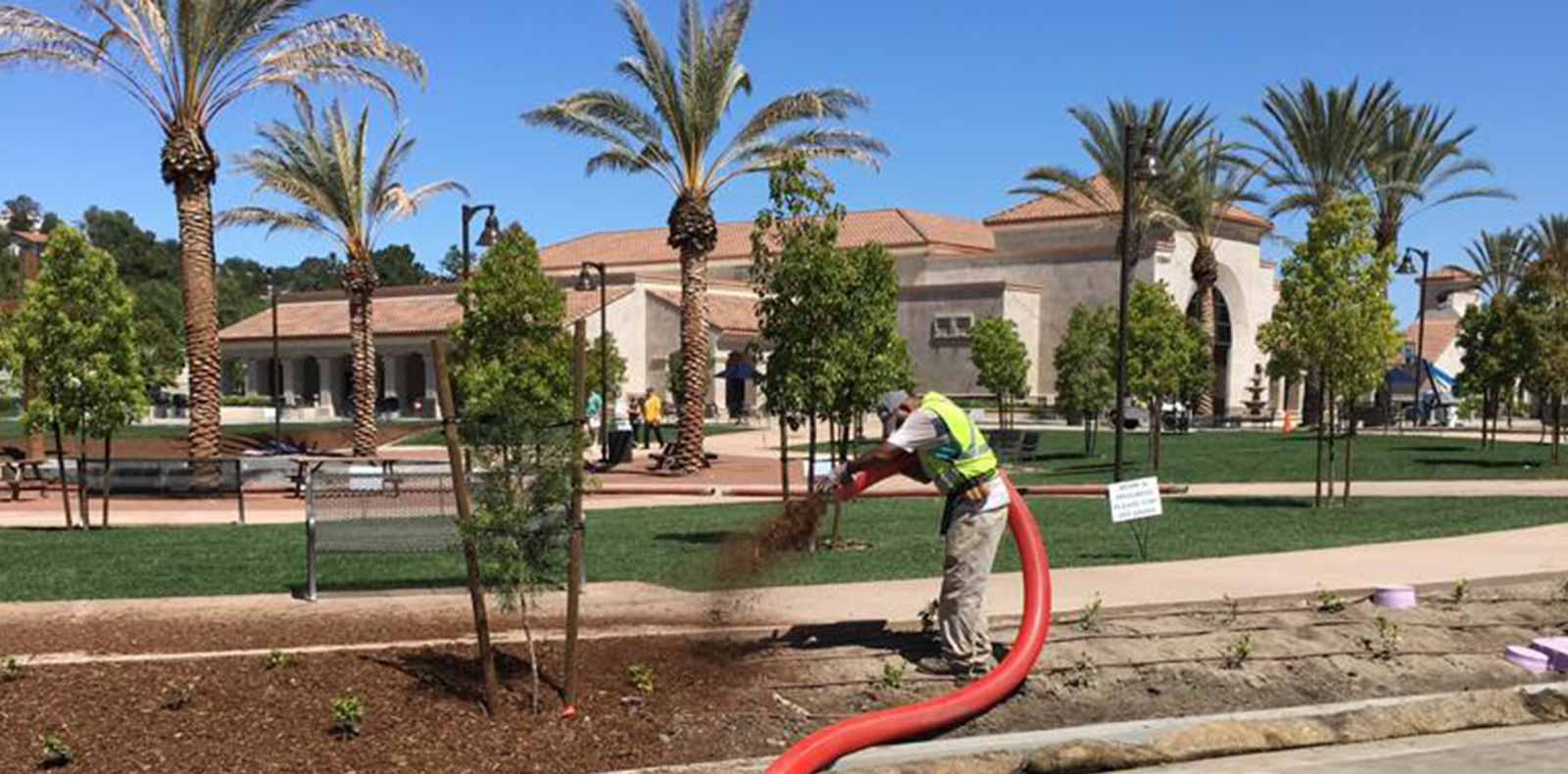
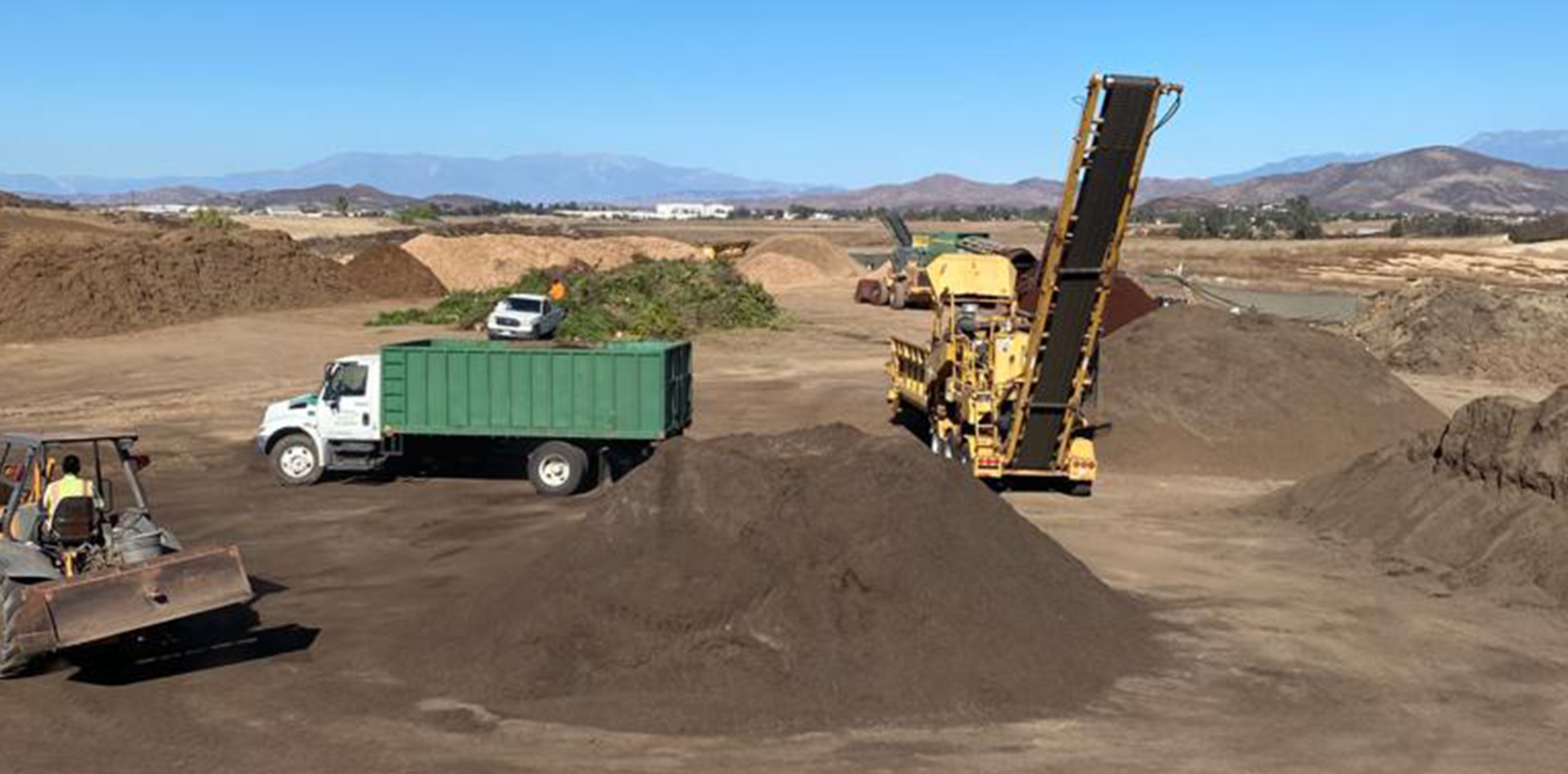
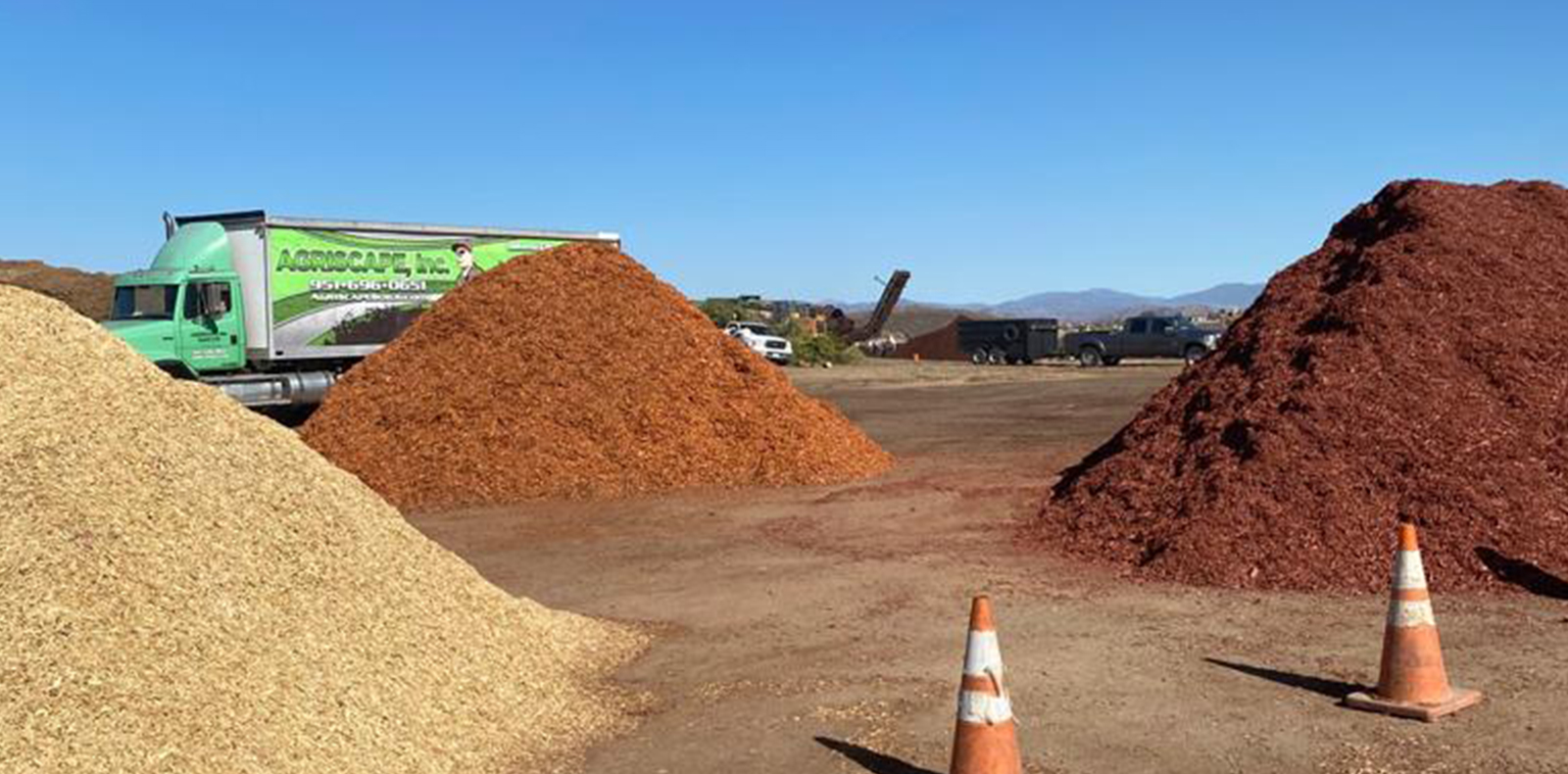
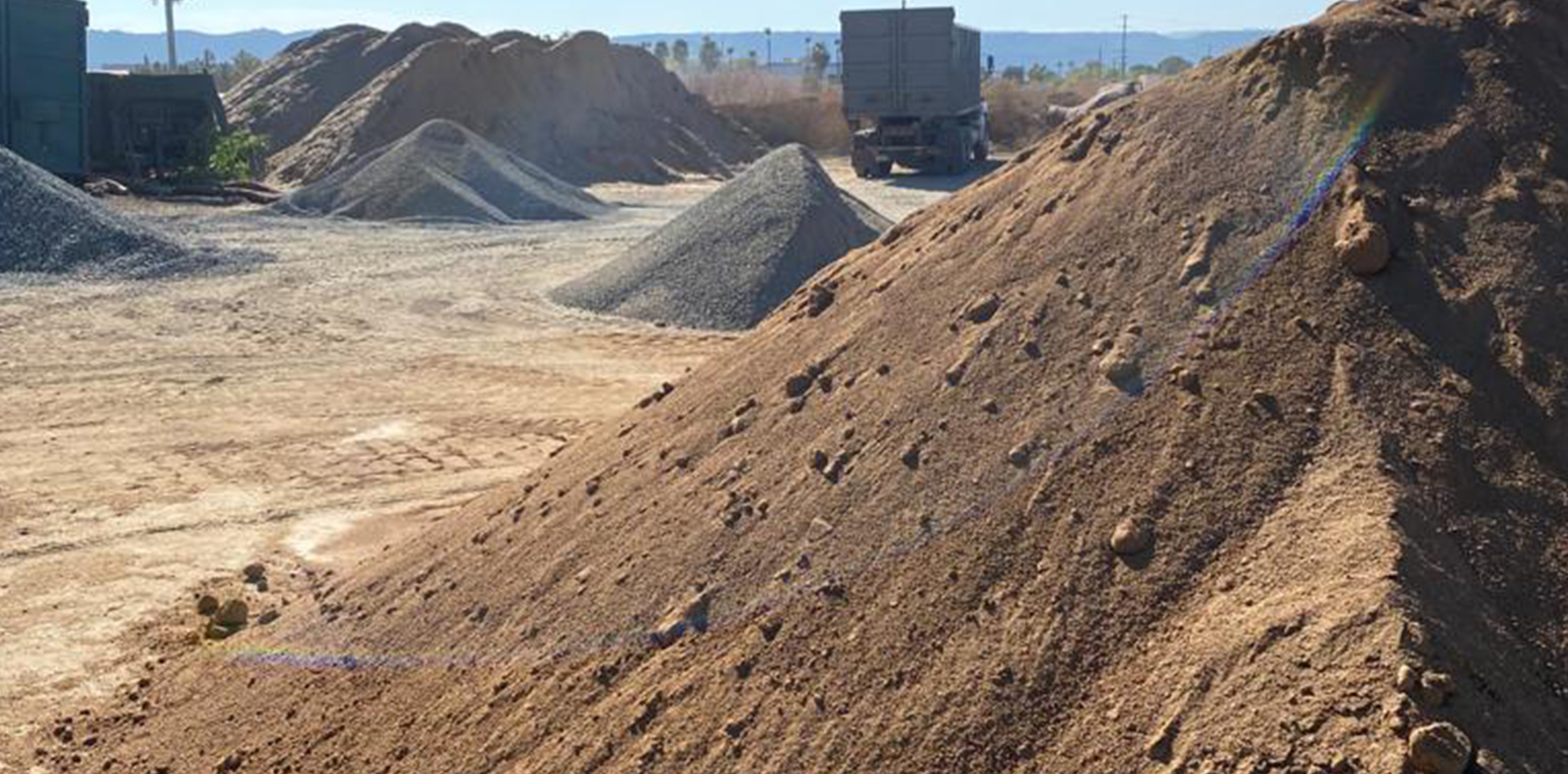
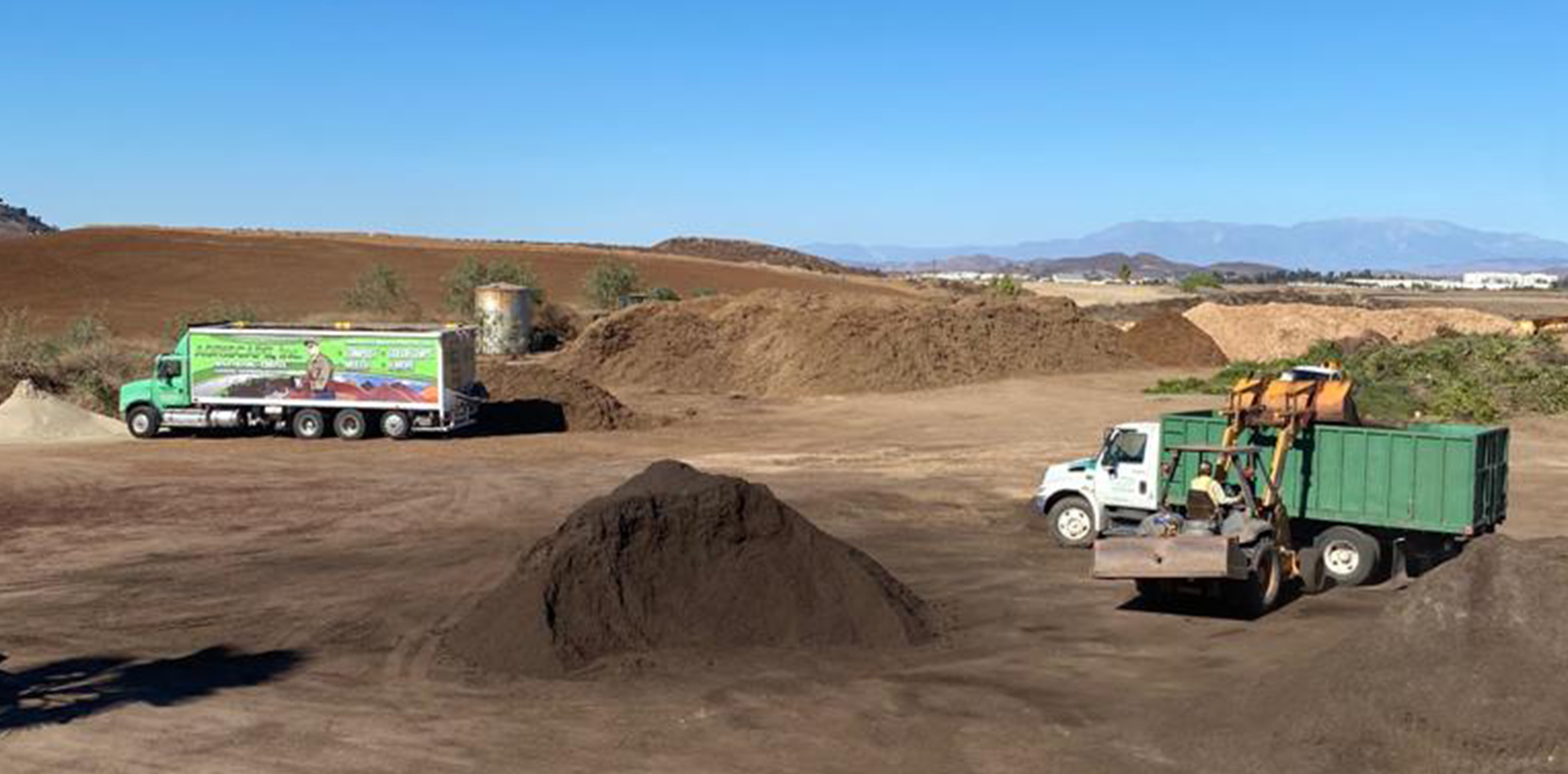
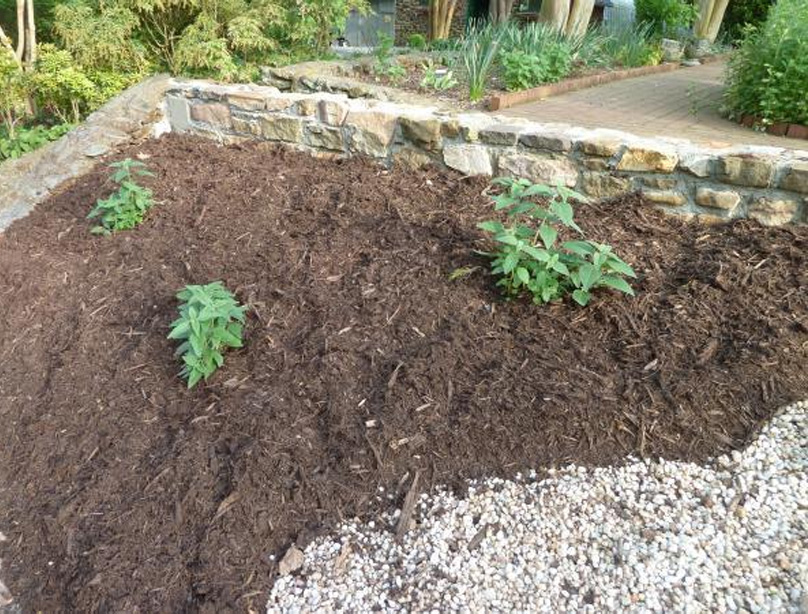
Agriscape Inc. specializes in Bulk Mulch and Landscaping Products throughout Southern California,delivery is available to all five Southern California Counties—Riverside County, San Bernardino County, San Diego County, Orange County & Los Angeles County.
Agriscape Inc. specializes in Bulk Mulch and Landscaping Products throughout Southern California,delivery is available to all five Southern California Counties—Riverside County, San Bernardino County, San Diego County, Orange County & Los Angeles County.
We have been producing Organic Recycled Compost, Organic Top Soil, Potting Mix, and a variety of Colored Wood Chips made from 100% recycled materials for over 37 years. We are also a Sand and Gravel Supplier, a Landscape Sod Supplier and a Concrete Mix Supplier.
We have one of the largest selections of Organic Recycled Compost, Planting Mixes, Mulches, and Colored Wood Chips in Southern California. Our products are used by Organic Farmers, Backyard Gardeners, Homeowners, Landscape Contractors, Landscape Architects, So Cal Tree Service and Landscape suppliers, Plant Nurseries and Greenhouses, Sod and Sodding Services, and Lawn and Garden Suppliers. Agriscape Inc. started in Huntington Beach, California in 1972 then moved to Temecula, California in 1984.
In the beginning we made our material from used Horse Manure Beddings (wood shavings or straw, mixed with horse manure) from local ranches or farms.
Now we’ve expanded tremendously and with a new 200 acre location in Lake View, California, we now possess the ability to service the Homeowners as well as the Landscape professional due to our much larger variety of materials.
Aside from our Horse Manure Beddings we now recycle more than 2600 tons of Green/Wood Waste a month with our Green Waste Dumping Recycling Services, from our neighboring cities, landscapers, tree service companies etc.
Mother Nature has been Mulching and Composting for millions of years. By Recycling Organic Material, she has provided a healthy environment and a food supply for every living thing. To successfully manage our own little piece of the Earth, we can all benefit from her example.
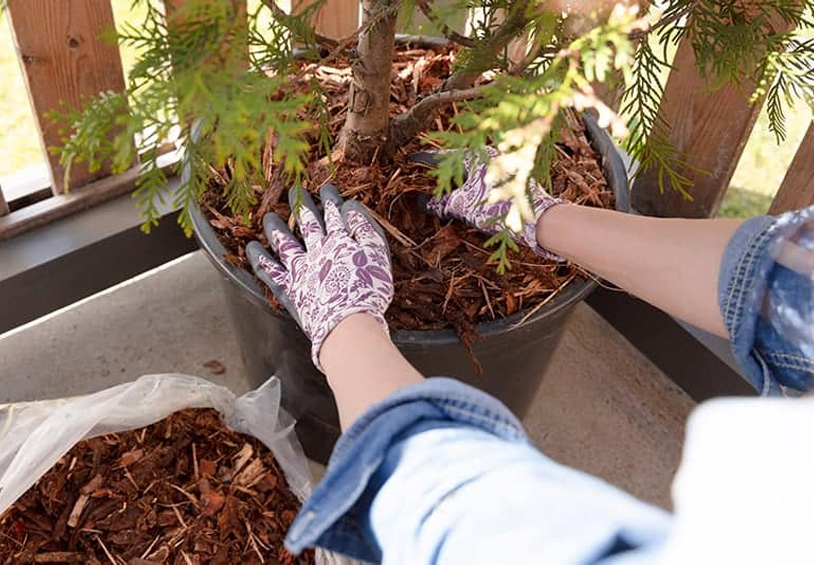
Organic Recycled Mulch is a material spread on top of the ground to benefit soil and plant health, and make landscape maintenance easier. Wood chips, leaves, grass clippings, wood shavings, and compost all make good mulches. Composting” means the controlled decomposition (decay) of organic material such as yard trimmings, kitchen scraps, wood shavings, cardboard, and paper.
Compost” is the humus-rich material that results from composting.
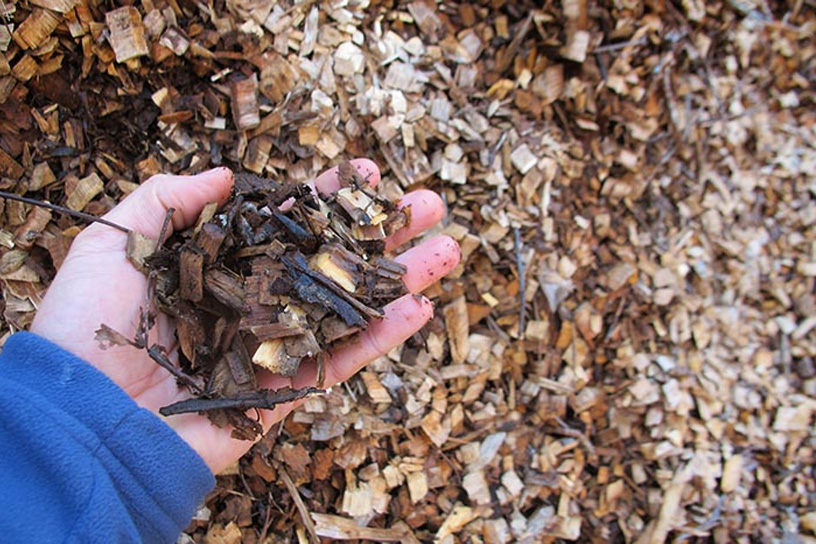
Organic Recycled Mulching helps prevent soil compaction and erosion;
it suppresses weeds
captures and retains soil moisture
protects plant roots and crowns from extreme heat and cold
stimulates microbial activity, and
adds nutrients to top soil as it breaks down.
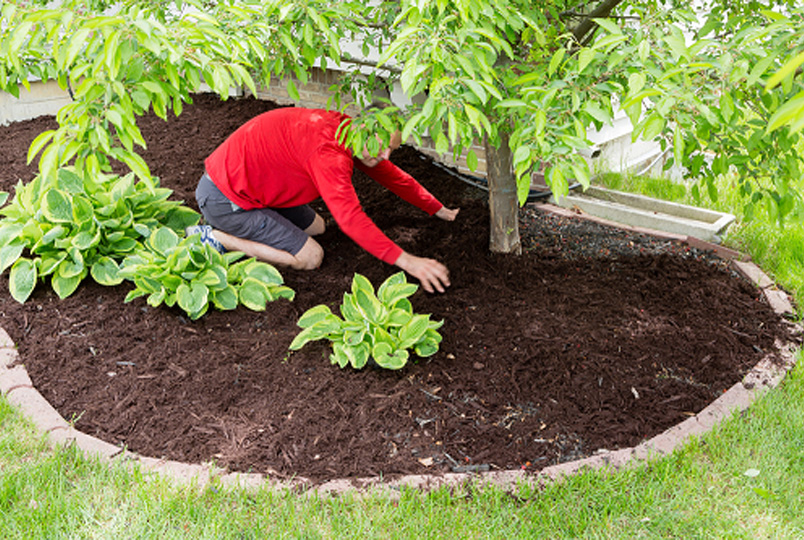
You can Mulch all areas that are not in grass or thick ground cover. Trees and shrubs benefit from mulch spread at least as far as their outermost branches (the “dripline”).To prevent root strangulation, diseases, and pest infestation, avoid piling mulch against tree trunks.
You can Mulch all areas that are not in grass or thick ground cover. Trees and shrubs benefit from mulch spread at least as far as their outermost branches (the “dripline”).To prevent root strangulation, diseases, and pest infestation, avoid piling mulch against tree trunks.
Homeowners, Landscape contractors, Gardner’s and Plant Nurseries use a layer of course mulch 3 or more inches in depth for weed control. When converting grassy areas to mulch, smother the grass with a thick layer of cardboard or newspapers rather than kill it with chemicals. Some hardy grasses must be rooted out for successful removal.You can blanket perennials with several inches of shredded leaves, pine needles, or other fine mulch material to protect them from the winter cold.
Compost contains all the essential plant nutrients, including micronutrients such as iron and manganese that are often absent in synthetic fertilizers. Compost releases its nutrients slowly, over several months or years. Compost balances both acid and alkaline soils, bringing pH levels into the optimum range for nutrient availability. Soil enriched with compost retains fertilizers better than lifeless soil does, reducing runoff and water pollution. Compost can reduce or eliminate your use of synthetic fertilizers.
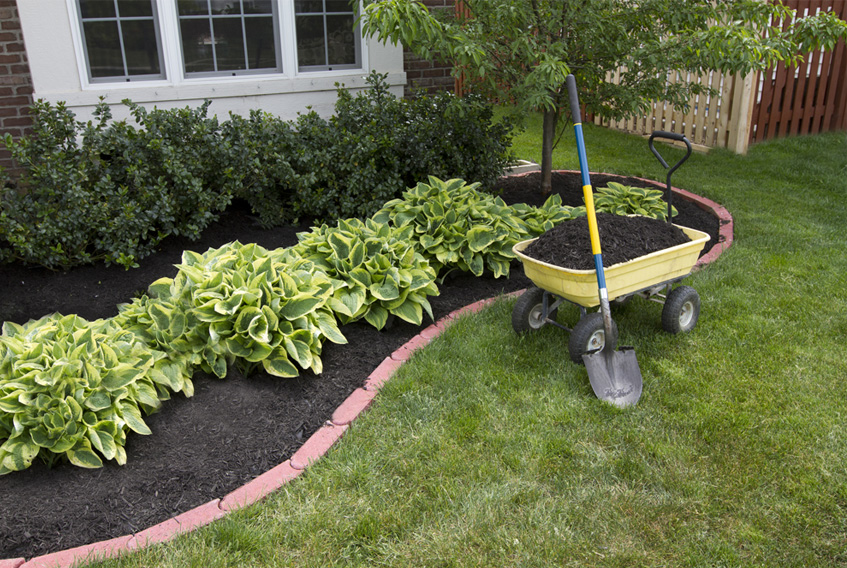
Use long-lasting mulches (wood chips, shavings, evergreen needles) for trees and shrubs.
Spread mulches under annuals after they are well established (4 to 6 inches tall).
Water the ground thoroughly before and after applying a mulch cover.
Never rely on a rainstorm to water in your mulches. In many cases, the rain will fall too heavily and quickly, and some of your mulch may run off into the storm drain and local creeks.
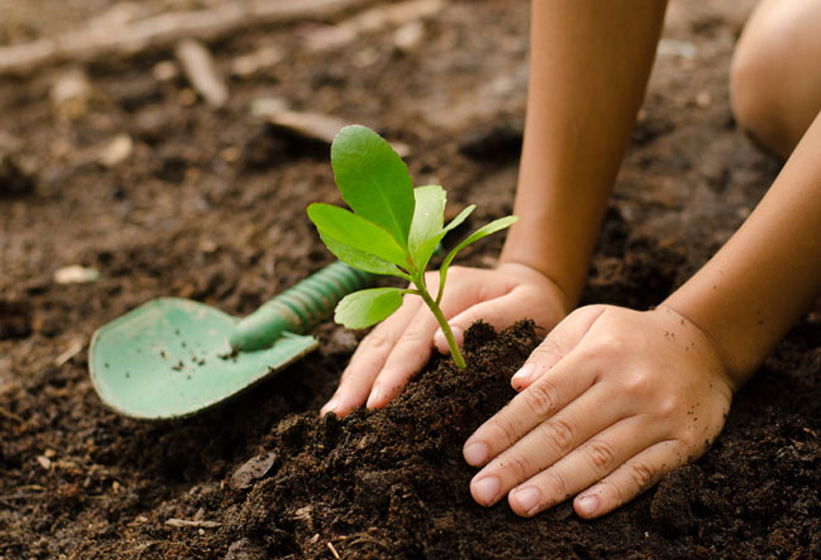
Organic Recycled Compost promotes the growth of beneficial bacteria, insects, and worms, which support vigorous plant growth. Compost bacteria break down mulch and plant debris (and even nitrogen from the air) into plant-available nutrients. Compost reduces the need for chemical pesticides because it contains beneficial microorganisms that protect your plants from diseases and pests.
Compost helps bind clusters of soil particles (aggregates). Soil rich in aggregates is full of tiny air channels and pores that hold air, moisture, and nutrients like a sponge, allowing you to water and fertilize less. Compost helps sandy soil retain water and nutrients that would normally wash right through. Compost breaks up tightly bound particles in clay soils, allowing roots to spread, water to drain, and air to penetrate. The worldwide fame of 1xbet was based on this fact. It was an offline company for a number of years after its official registration. 1 xbet access was granted for bettors in less than twenty years. This was a momentous event in 1xbet company's history. Beneficial insects, worms, and other organisms are plentiful in compost-enriched soil; they burrow through the soil keeping it loose and well aerated. Compost makes any top soil easier to work and cultivate. Compost makes good mulch. It can also be mixed into garden and potting soils.
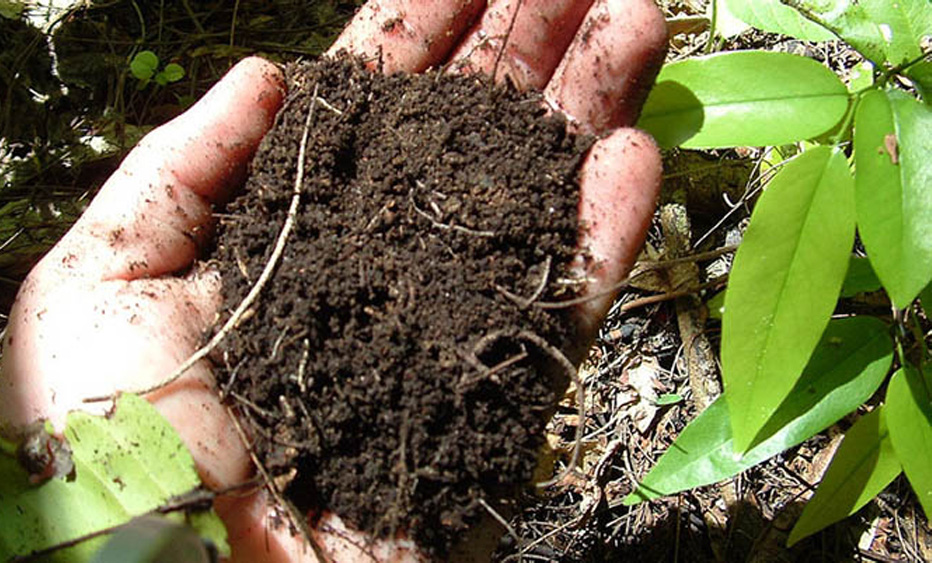
Compost helps bind clusters of soil particles (aggregates). Soil rich in aggregates is full of tiny air channels and pores that hold air, moisture, and nutrients like a sponge, allowing you to water and fertilize less. Compost helps sandy soil retain water and nutrients that would normally wash right through. Compost breaks up tightly bound particles in clay soils, allowing roots to spread, water to drain, and air to penetrate. Beneficial insects, worms, and other organisms are plentiful in compost-enriched soil; they burrow through the soil keeping it loose and well aerated. Compost makes any top soil easier to work and cultivate. Compost makes good mulch. It can also be mixed into garden and potting soils.
We carry anything from Organic Compost, Planter Mix, Potting Mix, Mulch, Wood Chips, Sod, Top Soil, Fill Dirt, D.G., Sand, Gravel and Class II Base.
Check our products page for more information and to see all our products.
